
Views: 1 Author: Site Editor Publish Time: 2026-11-05 Origin: Site


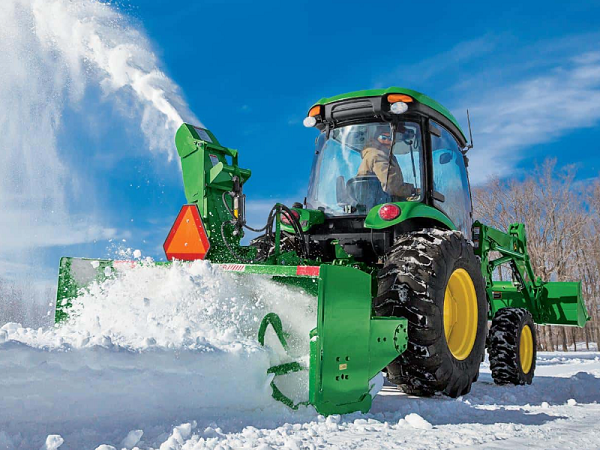
I. Basic principles of modification
The modification of tractors into snow blower mainly utilizes their power system and chassis structure. The engine output shaft can be connected to a snow removal device, and the hydraulic system can drive the bucket to lift and lower. The rear three-point suspension interface is convenient for installing snow shovels, and the front space is suitable for installing rotating snow brushes. It is recommended to control the operating speed after modification at 5-10 kilometers per hour to ensure a balance between snow removal efficiency and safety.
II. Core modification steps
(1) Power matching: Calculate the required power of the snow blower to avoid exceeding the engine load;
(2) Structural reinforcement: Strengthen the load-bearing capacity of the front axle to prevent deformation caused by lateral pressure from snow accumulation;
(3) Control optimization: Install hydraulic control valve group to achieve precise adjustment of bucket angle;
(4) Safety protection: Add warning lights and reflective signs to enhance visibility for winter operations.
III. Actual application effect
The modified equipment can clean an area of approximately 3000 square meters per hour under 20 centimeter snow conditions. Compared to professional snow blower, fuel consumption is reduced by 40% but snow removal thickness is reduced by 30%. Suitable for low to medium intensity work scenarios such as farms and rural roads, continuous work for 2 hours requires stopping the machine to check the status of the transmission system.


